Newsletter Subscribe
Enter your email address below and subscribe to our newsletter
Enter your email address below and subscribe to our newsletter

 ByJohn A
Compressed air is a critical utility across many industries, but its quality directly affects the efficiency and reliability of production processes. During air compression, moisture naturally forms as water vapor condenses under pressure. If this moisture is not removed, it can cause corrosion, equipment damage, product contamination, and costly maintenance issues. A standard pressure desiccant dryer is designed to eliminate moisture from compressed air, delivering a consistently low pressure dew point that protects downstream equipment and ensures reliable operations. Understanding how these dryers work helps industries maintain high quality compressed air while improving productivity and reducing operational risks.
For industries looking to improve compressed air quality, a standard pressure desiccant dryer provides an efficient solution for reliable moisture removal and long term equipment protection.
A standard pressure desiccant dryer is an industrial compressed air treatment system that removes water vapor using the principle of adsorption. Unlike refrigeration dryers, which cool compressed air to condense moisture, desiccant dryers use highly absorbent materials to capture water molecules before the air reaches downstream equipment. This process produces exceptionally dry compressed air suitable for applications where moisture cannot be tolerated.
These dryers are commonly used in manufacturing plants, pharmaceutical facilities, food processing units, electronics production, and other industries that require a stable pressure dew point.
A standard pressure desiccant dryer is designed to remove moisture from compressed air by passing it through a desiccant material that attracts and retains water vapor. As compressed air flows through the dryer, moisture is adsorbed while clean, dry air exits the system. Once the desiccant becomes saturated, it is regenerated so that the drying cycle can continue without interruption.
The primary functions of a desiccant dryer include:
This continuous drying process ensures that industrial systems receive moisture free compressed air under varying operating conditions.
Compressed air naturally contains water vapor drawn from the surrounding atmosphere. During compression, this moisture becomes concentrated and eventually condenses into liquid water. If allowed to circulate throughout the compressed air system, moisture can damage equipment, contaminate products, and reduce production efficiency.
Removing moisture provides several important benefits:
A reliable drying system is therefore essential for maintaining efficient industrial operations.
See also: Why Marine Digital Marketing Is Essential for Modern Marine Businesses
Desiccant dryers form an important part of modern compressed air treatment systems. Their ability to achieve very low pressure dew points makes them suitable for industries where even small amounts of moisture can create operational problems. These dryers help maintain stable air quality while supporting continuous production.
In many industrial applications, desiccant dryers operate alongside filtration systems and other compressed air treatment equipment to deliver clean, dry air throughout the facility.
Moisture is one of the most common contaminants found in compressed air systems. Although it may appear insignificant, excess moisture can gradually reduce equipment efficiency, damage sensitive components, and increase maintenance costs. Removing moisture before compressed air reaches production equipment improves system reliability while reducing operational risks.
A properly designed compressed air treatment system ensures moisture is controlled throughout the production process.
Water vapor changes the quality of compressed air by introducing contaminants that affect industrial processes. Moisture may condense inside pipelines, valves, pneumatic tools, and automation equipment, resulting in corrosion and reduced operating efficiency.
The effects of excessive moisture include:
Effective moisture removal preserves compressed air quality while improving production consistency.
Industrial equipment relies on clean, dry compressed air to perform consistently. Moisture entering pneumatic systems may damage valves, actuators, cylinders, instruments, and precision machinery. Over time, these issues increase maintenance requirements and reduce equipment reliability.
Industries that depend on continuous production benefit significantly from maintaining controlled moisture levels within compressed air systems.
Facilities that also require refrigerated compressed air treatment may consider solutions such as the FDI Series Refrigeration Dryer India range for applications where moderate pressure dew points meet operational requirements.
Dry compressed air improves both equipment performance and operational efficiency by eliminating one of the primary causes of corrosion and system contamination. Maintaining an appropriate pressure dew point supports reliable production while extending equipment life.
Major advantages include:
Organizations that prioritize compressed air quality often experience improved productivity and more consistent manufacturing performance.
A standard pressure desiccant dryer removes moisture through a carefully controlled adsorption process. Compressed air enters one drying vessel where the desiccant material captures water vapor while allowing clean, dry air to pass through. As one chamber performs the drying process, another chamber undergoes regeneration to restore the desiccant’s drying capacity. This alternating cycle enables continuous operation without interrupting the compressed air supply.
Modern desiccant dryers are engineered to deliver consistent pressure dew points while maintaining energy efficient performance under varying operating conditions.
Adsorption differs from absorption because moisture adheres to the surface of the desiccant rather than being absorbed into the material itself. High performance desiccants attract water molecules while allowing dry compressed air to continue through the system.
The adsorption process typically involves:
This process ensures reliable moisture removal while protecting downstream equipment.
Once the desiccant becomes saturated, it must be regenerated before it can continue removing moisture effectively. Regeneration removes accumulated moisture from the desiccant, restoring its adsorption capacity for the next drying cycle. Most industrial dryers alternate automatically between drying and regeneration, ensuring uninterrupted compressed air treatment.
Pressure dew point represents the temperature at which moisture begins condensing from compressed air at operating pressure. A lower pressure dew point indicates drier compressed air and better protection against condensation within the system. Standard pressure desiccant dryers are specifically designed to achieve low pressure dew points required for moisture sensitive industrial applications.
Facilities operating lower pressure compressed air systems may also benefit from a low pressure industrial air dryer where application requirements differ from standard pressure installations.
A standard pressure desiccant dryer consists of several integrated components that work together to deliver reliable compressed air treatment. Each component contributes to efficient moisture removal, continuous operation, and long term system performance.
The primary components include:
Together, these components provide dependable compressed air drying while supporting consistent industrial productivity.
Installing a standard pressure desiccant dryer provides significant advantages for industries that depend on clean and dry compressed air. By removing moisture before it reaches downstream equipment, these dryers improve system reliability, reduce maintenance requirements, and support consistent production quality. A well designed compressed air treatment system also helps extend the lifespan of valuable equipment while minimizing unexpected operational interruptions.
Dry compressed air is essential for maintaining consistent industrial processes. Moisture free air prevents contamination and helps ensure pneumatic systems, instruments, and production equipment operate efficiently. Maintaining high air quality is particularly important for industries with strict quality standards.
Moisture is one of the leading causes of corrosion, component wear, and equipment failure within compressed air systems. A desiccant dryer protects downstream equipment by preventing condensation inside pipelines, valves, cylinders, and pneumatic tools.
Equipment protection offers several advantages:
Protecting downstream equipment also reduces unexpected production interruptions and supports long term operational efficiency.
Reliable compressed air improves the performance of automated manufacturing systems and production equipment. When moisture is effectively removed, pneumatic components function consistently without the problems associated with water contamination. This leads to smoother operations and greater production stability.
Corrosion and moisture related damage often result in expensive repairs and frequent component replacement. Standard pressure desiccant dryers reduce these maintenance requirements by eliminating moisture before it can damage equipment. Lower maintenance costs contribute to improved operational efficiency and better asset utilization.
Modern desiccant dryers are designed to provide efficient moisture removal while optimizing energy consumption. Properly maintained dryers help compressed air systems operate more efficiently by reducing pressure losses and minimizing unnecessary energy waste.
Stable compressed air quality supports continuous production across a wide range of industrial applications. Whether operating automated machinery or precision manufacturing equipment, maintaining a consistent pressure dew point improves overall process reliability and product quality.
Standard pressure desiccant dryers are used across numerous industries where compressed air quality directly affects equipment performance and product quality. Their ability to deliver extremely dry compressed air makes them suitable for applications where moisture must be carefully controlled.
Manufacturing plants rely on compressed air for automation systems, pneumatic tools, production machinery, and process equipment. Dry compressed air helps maintain equipment reliability while reducing maintenance requirements.
Pharmaceutical manufacturing requires clean and moisture free compressed air to protect production processes and maintain product quality. Desiccant dryers support strict environmental and operational standards.
Food processing facilities require compressed air that does not introduce moisture into packaging or production systems. Reliable moisture removal helps maintain hygiene and consistent production conditions.
Electronics production involves highly sensitive equipment that can be affected by moisture. Maintaining a low pressure dew point helps protect manufacturing processes and improve product consistency.
Compressed air powers numerous manufacturing operations within automotive production facilities. Removing moisture protects pneumatic equipment while improving assembly line efficiency.
Chemical processing often requires dry compressed air to support instrumentation, automation systems, and production equipment operating under demanding conditions.
Industries commonly using desiccant dryers include:
Selecting the appropriate desiccant dryer requires evaluating several operational factors. Choosing equipment that matches application requirements ensures reliable moisture removal while optimizing system efficiency and operating costs.
The dryer should be capable of handling the compressed air demand generated by the facility. Correct sizing prevents performance limitations while supporting future production growth.
Different industrial applications require different pressure dew points. Selecting a dryer capable of achieving the required dryness level is essential for protecting equipment and maintaining process quality.
The operating pressure of the compressed air system influences dryer selection. Equipment should be matched to the pressure conditions under which it will operate.
Energy efficient dryers reduce operating costs while maintaining consistent drying performance. Features such as optimized regeneration cycles and intelligent controls contribute to lower energy consumption.
Maintenance requirements vary depending on dryer design and operating conditions. Choosing equipment that offers easy servicing and reliable long term performance helps reduce maintenance expenses.
Factors to evaluate include:
Routine maintenance is essential for ensuring reliable dryer performance and extending equipment life. Preventive servicing helps maintain consistent pressure dew points while reducing unexpected equipment failures.
The condition of the desiccant should be inspected periodically to ensure it continues providing effective moisture removal. Damaged or exhausted desiccant should be replaced according to manufacturer recommendations.
Air filters protect the desiccant from contamination by removing oil, dust, and other particles before compressed air enters the dryer. Clean filters improve drying performance and extend desiccant life.
Regular monitoring of the pressure dew point confirms that the dryer is maintaining the required air quality. Significant changes may indicate maintenance is required.
A preventive maintenance schedule allows inspections, servicing, and component replacement to be completed before performance issues occur. Planned maintenance reduces downtime while improving equipment reliability.
Replacing worn valves, seals, filters, and other components at recommended intervals helps maintain efficient dryer operation and prevents unnecessary system failures.
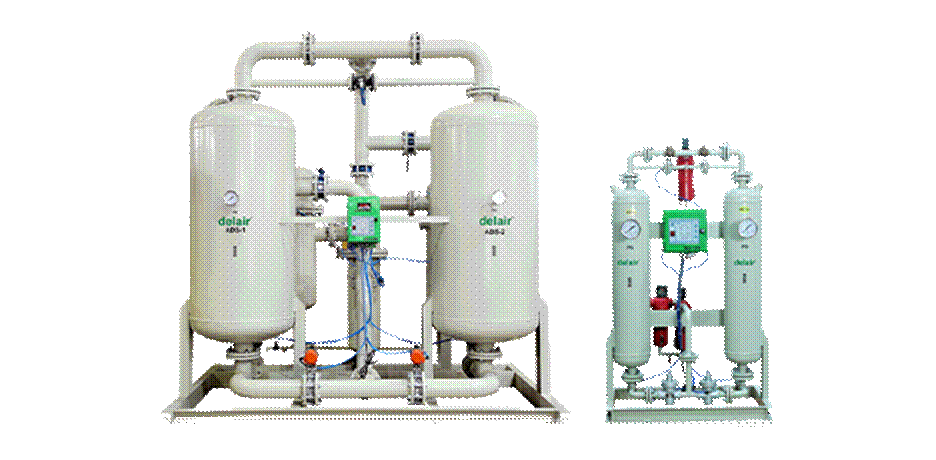
Delair India provides dependable compressed air treatment solutions engineered to meet the needs of modern industrial facilities. The Standard Series DD/DC desiccant dryers are designed to deliver reliable moisture removal, consistent pressure dew points, and long service life across a wide range of industrial applications. Their robust construction and efficient operation make them suitable for demanding production environments.
The Standard Series DD/DC dryers are engineered to achieve consistent moisture removal while maintaining stable compressed air quality. Reliable drying protects downstream equipment and supports uninterrupted industrial operations.
Designed for continuous industrial use, these dryers provide dependable performance under varying operating conditions. Their durable construction helps ensure long term reliability with minimal maintenance.
Efficient design, quality components, and dependable operation contribute to lower operating costs and extended equipment lifespan. Investing in a reliable compressed air drying solution supports productivity while reducing maintenance expenses.
To learn more about selecting the right compressed air drying solution for your facility, contact Delair India Pvt Ltd. Their team can help you choose a desiccant dryer that meets your operational requirements and delivers reliable long term performance.
A standard pressure desiccant dryer is a compressed air treatment system that removes moisture from compressed air using the adsorption process. It uses desiccant materials to capture water vapor and produce clean, dry air with a low pressure dew point. This helps protect industrial equipment, improve compressed air quality, and ensure reliable production processes.
A desiccant dryer works by passing compressed air through a chamber filled with desiccant material. The desiccant adsorbs moisture from the air while allowing dry compressed air to flow to downstream equipment. Once the desiccant becomes saturated, it undergoes a regeneration cycle that removes the collected moisture, allowing the drying process to continue without interruption.
Moisture in compressed air systems can lead to corrosion, equipment wear, blocked pipelines, reduced pneumatic performance, and product contamination. Removing moisture helps maintain clean compressed air, protects downstream equipment, reduces maintenance costs, and improves overall operational reliability.
Pressure dew point is the temperature at which water vapor in compressed air begins to condense into liquid under system pressure. A lower pressure dew point indicates drier compressed air and better protection against condensation, corrosion, and moisture related equipment damage. Standard pressure desiccant dryers are designed to achieve low pressure dew points required for moisture sensitive industrial applications.
Standard pressure desiccant dryers are widely used in industries where clean and dry compressed air is essential, including:
These industries rely on moisture free compressed air to maintain product quality, protect equipment, and improve production efficiency.
A standard pressure desiccant dryer is an essential component of any industrial compressed air system where moisture control is critical. By removing water vapor through the adsorption process, these dryers deliver clean, dry compressed air that protects downstream equipment, reduces corrosion, and supports consistent production performance. They also help lower maintenance costs, improve operational reliability, and extend the service life of valuable industrial assets. Choosing the right desiccant dryer based on air flow, pressure dew point, and application requirements ensures long term efficiency and dependable operation. Delair India’s Standard Series DD/DC desiccant dryers provide a reliable solution for industries seeking high performance compressed air treatment and lasting equipment protection.