Newsletter Subscribe
Enter your email address below and subscribe to our newsletter
Enter your email address below and subscribe to our newsletter

 ByJohn A
Modern commercial buildings need more than temperature control to create healthy and comfortable indoor spaces. Fresh air ventilation has become a key requirement because people spend most of their time indoors. Poor ventilation can affect indoor air quality, increase humidity, and reduce overall comfort. This is where a Treated Fresh Air Unit, also known as a TFA unit, plays an important role. It supplies clean, conditioned outdoor air while improving energy efficiency and supporting a healthier indoor environment.
If you are looking for a high performance treated fresh air unit, understanding how it works and where it fits into your HVAC system is the first step toward making the right decision.
Fresh air is essential for maintaining healthy indoor environments. Commercial buildings often have sealed designs to improve energy efficiency. While this reduces energy loss, it also limits the amount of natural fresh air entering the building. Without proper ventilation, indoor pollutants, moisture, and odors can accumulate over time.
A dedicated fresh air system helps maintain a balanced indoor environment by continuously introducing filtered outdoor air. This supports occupant comfort and helps HVAC systems perform more efficiently.
Some of the key reasons fresh air ventilation is important include:
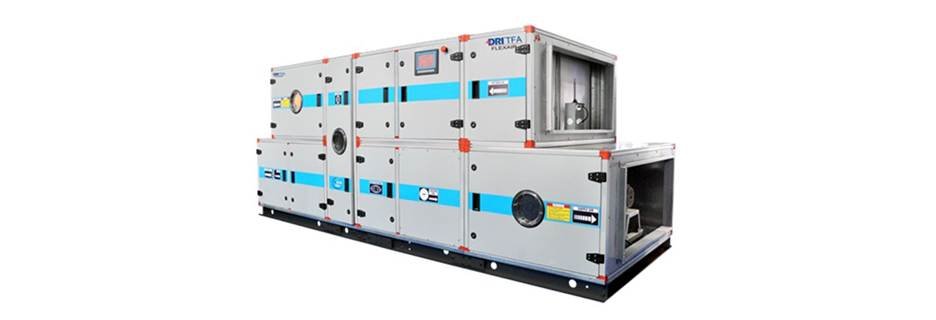
A Treated Fresh Air Unit is a specialized HVAC system designed to supply outdoor air after treating it for temperature, humidity, and cleanliness. Unlike conventional ventilation systems that simply introduce outside air, a TFA unit conditions the air before distributing it throughout the building.
The purpose of a treated fresh air handling unit is to ensure that incoming air matches the indoor comfort requirements while reducing the load on the primary cooling or heating equipment. This creates a more efficient and balanced ventilation strategy.
A typical treated fresh air unit includes several important components:
See also: Why Marine Digital Marketing Is Essential for Modern Marine Businesses
A treated fresh air unit follows a systematic process to prepare outdoor air before it enters the occupied space. Every stage is designed to improve air quality and maintain indoor comfort.
The process generally includes:
The conditioned air enters the building at the desired temperature and humidity level. This reduces the workload on the central HVAC equipment because much of the fresh air treatment has already been completed.
For facilities that also require industrial air purification, a VOC concentrator can complement ventilation systems by helping manage volatile organic compounds in specialized applications.
Installing a treated fresh air unit offers several operational and environmental advantages. These systems are designed to improve building performance while creating healthier indoor conditions.
A continuous supply of filtered outdoor air helps reduce indoor contaminants. Dust, airborne particles, and stale air are replaced with cleaner conditioned air, creating a healthier indoor environment.
Maintaining consistent temperature and humidity improves overall comfort. Properly treated fresh air minimizes uncomfortable variations that can occur when untreated outdoor air enters the building.
A treated fresh air unit conditions incoming air before it reaches occupied spaces. This approach reduces the cooling or heating demand on the primary HVAC equipment, leading to more efficient energy use.
Since the incoming air is already conditioned, the main air conditioning system operates more efficiently. This can contribute to improved equipment performance and potentially longer system life.
Many commercial buildings require proper fresh air ventilation to meet indoor air quality and building design requirements. A treated fresh air unit helps support these objectives while maintaining consistent airflow.
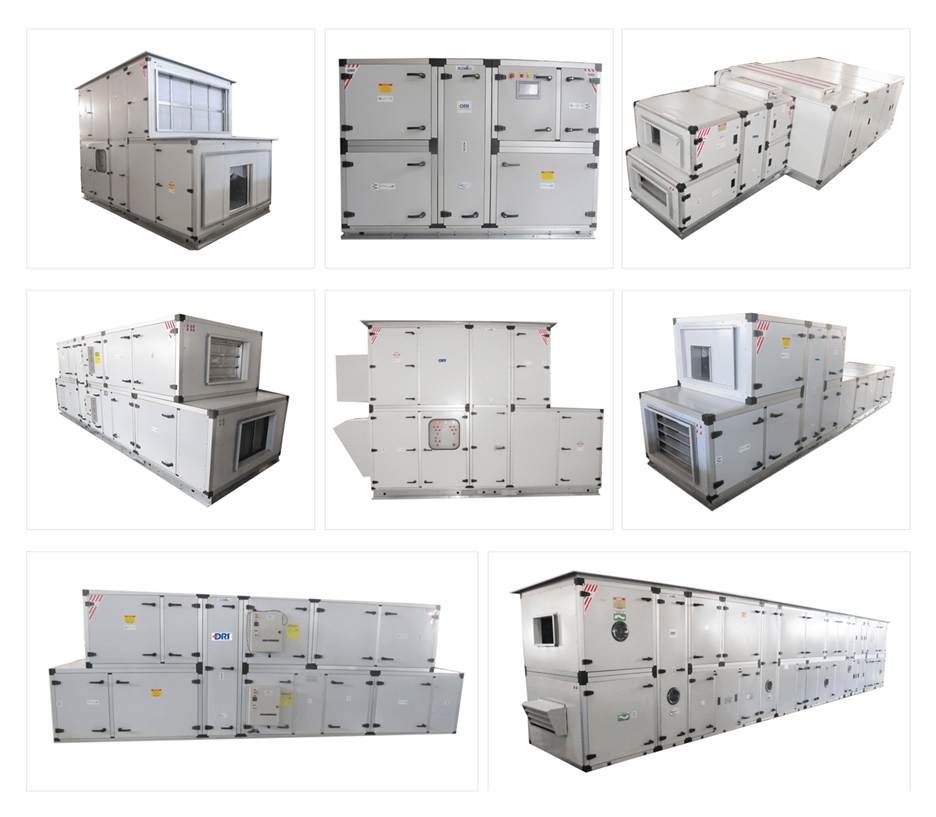
Many people confuse a treated fresh air unit with an Air Handling Unit (AHU). Although both are important parts of HVAC systems, they serve different purposes.
An AHU primarily circulates and conditions indoor air. It may mix return air with a limited amount of outdoor air depending on the system design.
A TFA unit focuses specifically on treating 100 percent outdoor air before supplying it to occupied spaces. It is designed to deliver clean, conditioned fresh air while improving indoor air quality.
Key differences include:
Dedicated Outdoor Air Systems and Treated Fresh Air Units share several similarities. Both focus on supplying conditioned outdoor air while improving ventilation performance.
However, the system design and project requirements determine which solution is more appropriate. Factors such as climate conditions, occupancy levels, building size, and humidity requirements all influence the final selection.
Consulting experienced HVAC professionals helps ensure the chosen system matches the building’s ventilation objectives and energy performance goals.
Treated fresh air units are suitable for a wide range of commercial and industrial applications because they provide reliable ventilation and improved indoor air quality.
Common applications include:
These facilities often require controlled ventilation, consistent indoor comfort, and efficient humidity management.
A treated fresh air unit becomes valuable whenever a building requires continuous fresh air without compromising energy efficiency or occupant comfort.
You should consider a TFA system if your project involves:
Choosing the correct fresh air handling unit depends on airflow requirements, environmental conditions, and integration with the overall HVAC design.
Selecting the right system requires careful evaluation of building requirements. Every project has different ventilation demands, so several technical factors should be considered before making a decision.
Important selection criteria include:
Working with an experienced manufacturer helps ensure that every aspect of the system is properly designed for reliable performance.
Desiccant Rotors International has extensive expertise in developing advanced air treatment technologies for commercial and industrial applications. The company’s treated fresh air solutions are engineered to improve ventilation performance while supporting energy efficient operation.
DRI focuses on delivering systems that combine reliable engineering, advanced air treatment, and long term operational performance. Their solutions are designed to meet the evolving needs of modern buildings where indoor air quality and sustainability are increasingly important.
To learn more about selecting the right solution for your project, contact Desiccant Rotors International for expert guidance and product recommendations.
A treated fresh air unit is an essential component of modern commercial HVAC systems because it delivers clean, conditioned outdoor air while improving indoor air quality and energy performance. By controlling temperature, humidity, and ventilation, these systems create healthier indoor environments and reduce the operational load on primary HVAC equipment. They are suitable for a wide range of commercial and industrial applications where reliable ventilation is a priority. Choosing the right system requires careful evaluation of building requirements, environmental conditions, and long term operational goals. Partnering with an experienced manufacturer such as Desiccant Rotors International helps ensure a solution that delivers dependable performance, energy efficiency, and lasting value.
A treated fresh air unit is an HVAC system that filters, conditions, and supplies outdoor air to improve indoor air quality, humidity control, and occupant comfort.
It draws outdoor air, filters it, controls temperature and humidity, and distributes conditioned fresh air throughout the building using the ventilation system.
An AHU mainly circulates indoor air, while a treated fresh air unit is specifically designed to condition and supply outdoor fresh air.
Yes. TFA units are widely used in offices, hospitals, hotels, educational institutions, industrial facilities, and other commercial buildings where consistent ventilation and indoor air quality are priorities.
Important considerations include airflow capacity, humidity control requirements, energy efficiency, building occupancy, climate conditions, maintenance needs, and compatibility with the existing HVAC system.