Newsletter Subscribe
Enter your email address below and subscribe to our newsletter
Enter your email address below and subscribe to our newsletter

 ByJohn A
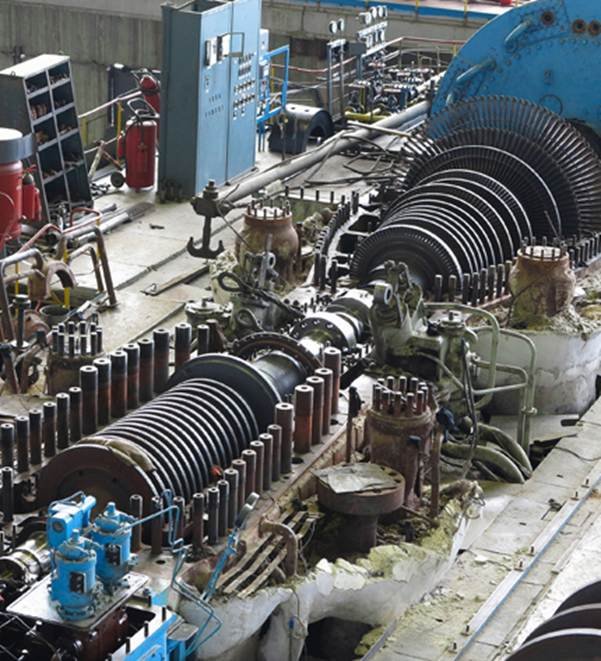
Gas turbines are among the most important assets in power generation and industrial facilities because they deliver reliable and efficient energy under demanding operating conditions. To maintain consistent performance and avoid unexpected failures, these machines require a structured maintenance program throughout their operational life. Gas turbine maintenance includes routine inspections, condition monitoring, preservation techniques, and planned servicing that help protect critical components from wear, corrosion, and performance degradation. A proactive maintenance strategy improves equipment reliability, extends service life, and reduces unplanned downtime. Understanding the fundamentals of gas turbine maintenance allows plant operators and asset managers to maximize operational efficiency while protecting valuable infrastructure.
If you are looking for professional gas turbine maintenance solutions, it is important to work with specialists who understand turbine preservation, moisture control, and long term asset protection for critical industrial equipment.
Gas turbine maintenance is a planned process that ensures turbines continue operating safely, efficiently, and reliably throughout their service life. It combines regular inspections, preventive maintenance, performance testing, and preservation methods to detect potential issues before they become major failures. Every maintenance activity is designed to maintain equipment integrity while supporting continuous plant operations.
A comprehensive maintenance program also helps reduce repair costs, improve equipment availability, and maintain consistent operating efficiency. By identifying early signs of wear or corrosion, maintenance teams can address issues before they affect production or plant reliability.
Gas turbine maintenance refers to all scheduled activities performed to inspect, service, preserve, and restore gas turbines during operation, shutdowns, or long term storage. These activities help maintain mechanical integrity, optimize performance, and reduce the risk of unexpected breakdowns.
Typical maintenance activities include:
Each activity contributes to maintaining reliable turbine performance while supporting long term operational efficiency.
Regular maintenance plays a vital role in preserving gas turbine performance under changing operating conditions. Continuous exposure to heat, moisture, environmental contaminants, and mechanical stress gradually affects turbine components over time. Scheduled maintenance allows these conditions to be monitored and corrected before they reduce equipment efficiency.
A well planned maintenance strategy also provides several long term advantages:
Preventive maintenance ultimately supports safer operations while protecting valuable power generation assets.
See also: Why Marine Digital Marketing Is Essential for Modern Marine Businesses
Reliable power generation depends on equipment that performs consistently throughout its operating cycle. Gas turbines are expected to operate continuously under demanding conditions, making maintenance a critical component of plant reliability. Regular servicing helps maintain optimal operating parameters while reducing the likelihood of unexpected shutdowns.
Maintenance also supports overall plant performance by ensuring turbine components remain within design specifications. Proper inspections, diagnostics, and preservation activities contribute to stable energy production and improved operational confidence.
Gas turbine maintenance is essential because it protects one of the most valuable assets within a power generation facility. Without regular inspections and preservation, turbines become vulnerable to corrosion, moisture damage, mechanical wear, and declining performance. Planned maintenance minimizes these risks while improving operational stability and extending equipment lifespan.
Modern maintenance programs combine preventive servicing with advanced monitoring technologies to detect developing issues before they affect plant operations. This proactive approach reduces long term maintenance costs while maximizing equipment availability.
Unexpected equipment failures often result in costly repairs and extended operational interruptions. Preventive maintenance helps identify developing problems before they become major mechanical failures. Routine inspections allow maintenance teams to evaluate component condition and schedule repairs during planned outages rather than emergency shutdowns.
Effective failure prevention includes:
Together, these practices help improve equipment reliability and reduce operational risk.
Well maintained gas turbines operate more efficiently than equipment affected by wear, contamination, or corrosion. Routine maintenance helps preserve airflow, combustion efficiency, and mechanical performance while minimizing unnecessary energy losses. Improved operating efficiency also contributes to better fuel utilization and more stable plant performance.
Organizations focused on broader industrial asset protection may also implement services such as Concrete Drying to manage moisture related challenges across construction and infrastructure projects, complementing comprehensive preservation strategies.
Every maintenance activity contributes to extending the useful life of gas turbine equipment. By protecting components from corrosion, mechanical degradation, and environmental damage, preventive maintenance delays major repairs and supports long term equipment reliability.
Longer service life offers several operational benefits:
Maintaining turbine health throughout its lifecycle also supports sustainable asset management practices.
Safety remains one of the primary objectives of any maintenance program. Properly maintained turbines operate within established performance limits, reducing the likelihood of equipment failures that could affect plant personnel or surrounding infrastructure. Scheduled inspections also verify that critical safety systems continue functioning as designed.
A structured maintenance approach creates a safer operating environment while supporting regulatory compliance and long term operational reliability.
An effective gas turbine maintenance program consists of several coordinated activities that work together to preserve equipment performance and reliability. Rather than focusing on a single inspection or repair, successful maintenance programs continuously monitor equipment condition while planning servicing activities according to operational requirements. This structured approach helps minimize downtime while maximizing equipment availability.
Maintenance programs should be tailored to the turbine’s operating conditions, maintenance history, and manufacturer recommendations.
Routine inspections provide valuable information about the current condition of turbine components. Visual inspections, vibration analysis, thermal monitoring, and performance measurements allow maintenance teams to detect early signs of wear or abnormal operating conditions.
Regular condition monitoring supports:
Continuous monitoring allows maintenance decisions to be based on actual equipment condition rather than fixed schedules alone.
Planned outage maintenance provides an opportunity to perform detailed inspections, component servicing, cleaning, repairs, and replacement activities while the turbine is safely offline. Scheduled outages help minimize operational disruption because maintenance work is completed during planned shutdown periods rather than emergency failures.
Carefully planned outage maintenance improves long term reliability while reducing the overall cost of equipment ownership.
Lubrication systems play an essential role in protecting rotating components from excessive friction and wear. Routine inspection of bearings, seals, shafts, lubrication circuits, and mechanical assemblies helps maintain efficient turbine operation throughout its service life.
Facilities operating in moisture sensitive environments may also benefit from specialized solutions such as a dehumidifier for pharmaceutical industry, highlighting the importance of controlled humidity in protecting critical equipment across different industrial sectors.
Performance testing verifies that the gas turbine continues operating within its intended design parameters. Diagnostic evaluations identify changes in efficiency, airflow, combustion characteristics, and mechanical performance before they develop into larger operational concerns. Regular testing supports informed maintenance planning while improving long term asset reliability.
A comprehensive maintenance program that combines inspections, preservation, diagnostics, and preventive servicing provides the strongest foundation for dependable gas turbine performance throughout its operational lifecycle.
Turbine preservation is a specialized maintenance practice that protects gas turbines from moisture, corrosion, contamination, and environmental damage during shutdown periods or long term storage. Even when a turbine is not operating, exposure to humidity and airborne contaminants can gradually affect internal components. A structured preservation program helps maintain equipment condition until the turbine is returned to service. Proper preservation reduces the likelihood of corrosion related failures while minimizing recommissioning work. For power plants and industrial facilities, preservation is an essential part of long term asset management.
Turbine preservation involves maintaining controlled environmental conditions inside the turbine and associated systems during periods of inactivity. Various preservation methods are selected based on storage duration, site conditions, and equipment configuration. The objective is to prevent moisture accumulation and protect critical internal surfaces from deterioration.
A comprehensive preservation program may include:
These measures help ensure the turbine remains in a ready condition for future operation.
Corrosion is one of the most common risks affecting idle gas turbines. Moisture entering the equipment can react with exposed metal surfaces, leading to oxidation and gradual material degradation. Effective preservation techniques maintain low humidity levels within the turbine, significantly reducing the conditions required for corrosion to develop.
Preventing corrosion provides several long term advantages:
Maintaining dry internal conditions is one of the most effective ways to protect valuable rotating equipment during storage.
Proper storage procedures play an important role in preserving turbine performance. Storage plans should be developed before shutdown and maintained throughout the entire inactive period. Regular monitoring ensures preservation measures remain effective and that equipment condition does not deteriorate over time.
Recommended storage practices include:
These practices help minimize long term storage risks while maintaining equipment readiness.
Professional preservation services combine engineering expertise with specialized moisture control technologies to protect gas turbines under varying environmental conditions. Experienced preservation teams evaluate equipment condition, recommend appropriate preservation methods, and continuously monitor storage effectiveness.
Professional preservation offers several benefits:
Maintenance frequency depends on operating hours, environmental conditions, equipment design, fuel quality, and manufacturer recommendations. Some maintenance activities are performed routinely during operation, while more extensive inspections occur during planned outages. Rather than relying on a fixed schedule, many organizations combine time based maintenance with condition monitoring to optimize equipment performance.
A structured maintenance schedule helps prevent unexpected failures while ensuring the turbine continues operating efficiently throughout its lifecycle.
Several operational factors determine how frequently maintenance should be performed.
These include:
Evaluating these factors allows maintenance programs to be tailored to each turbine’s operating requirements.
Planned maintenance focuses on preventing failures before they occur through routine inspections and scheduled servicing. Corrective maintenance, by contrast, is performed after equipment problems have already developed. Preventive approaches generally improve reliability while reducing repair costs and operational disruption.
Equipment manufacturers provide maintenance guidelines based on extensive engineering analysis and operational testing. Following these recommendations, while considering site specific operating conditions, helps maximize equipment reliability and service life.
Maintaining gas turbines presents several technical challenges that require careful planning and specialized expertise. Environmental exposure, operational wear, moisture intrusion, and long term storage all influence equipment condition. Addressing these challenges through preventive maintenance helps preserve turbine performance while reducing operational risk.
Moisture is one of the most significant threats to idle or partially operating gas turbines. Humid environments increase the possibility of corrosion affecting blades, rotors, bearings, and other internal components. Effective moisture control and preservation practices significantly reduce these risks.
Gas turbines placed in long term storage require continuous preservation to prevent environmental damage. Without appropriate protective measures, inactive equipment may experience corrosion, contamination, and deterioration before returning to service.
Continuous operation gradually affects mechanical components through normal wear. Routine inspections and performance evaluations help identify deterioration before it significantly impacts turbine efficiency or reliability.
Careful maintenance planning minimizes operational disruption by scheduling inspections and repairs during planned outages. Well organized maintenance programs improve equipment availability while supporting efficient plant operations.
Maintaining high gas turbine reliability requires more than routine inspections alone. Successful maintenance programs integrate preventive servicing, preservation techniques, equipment monitoring, and long term asset management. These practices work together to reduce equipment failures while improving operational stability.
Recommended best practices include:
Applying these practices consistently supports dependable equipment performance and extends turbine service life.
Gas turbines are widely used across industries that require reliable power generation and continuous operational performance. Because these facilities often operate critical infrastructure, maintaining turbine reliability is essential for productivity and asset protection.
Industries commonly requiring gas turbine maintenance include:
Each of these sectors benefits from structured maintenance programs that improve equipment reliability and reduce operational downtime.
Technical Drying Services Asia provides specialized preservation and moisture control solutions that help protect valuable industrial equipment throughout shutdowns, storage periods, and maintenance activities. Their expertise combines advanced preservation methods with proven drying technologies to support long term equipment reliability. Every solution is developed according to project requirements, operating conditions, and asset protection objectives.
TDS Asia has extensive experience supporting turbine preservation projects across critical industrial applications. Their technical expertise enables them to develop preservation strategies that effectively manage humidity, corrosion risks, and long term equipment protection.
Moisture management is one of the most important aspects of turbine preservation. TDS Asia utilizes advanced drying and preservation techniques that maintain controlled environmental conditions throughout storage and maintenance periods, helping reduce corrosion and preserve equipment integrity.
Protecting high value industrial equipment requires reliable technical expertise and carefully planned preservation strategies. TDS Asia works closely with clients to deliver dependable maintenance support that improves asset reliability, reduces long term maintenance costs, and prepares equipment for efficient recommissioning.
For expert guidance on turbine preservation, moisture control, and long term equipment protection, contact Technical Drying Services. Their specialists can recommend tailored preservation solutions that help maximize equipment reliability and extend the operational life of your critical assets.
Gas turbine maintenance is the planned process of inspecting, servicing, testing, and preserving gas turbines to ensure safe, reliable, and efficient operation. It includes routine inspections, condition monitoring, lubrication, performance testing, turbine preservation, and planned outage maintenance. A structured maintenance program helps reduce equipment failures, improve operational efficiency, and extend the service life of critical assets.
The maintenance frequency depends on several factors, including operating hours, load cycles, environmental conditions, equipment age, and manufacturer recommendations. Routine inspections are generally carried out at regular intervals, while major maintenance activities are scheduled during planned outages. Condition monitoring also helps determine when additional maintenance is required based on the actual health of the equipment.
Turbine preservation is important because it protects gas turbines from moisture, corrosion, contamination, and environmental damage during shutdowns or long term storage. Effective preservation maintains the condition of critical components, reduces repair costs, supports faster recommissioning, and improves long term equipment reliability.
Corrosion during storage is primarily caused by moisture and high humidity inside the turbine. When humid air comes into contact with exposed metal surfaces, oxidation can occur, leading to gradual deterioration of components. Other contributing factors include airborne contaminants, poor storage conditions, and inadequate preservation practices. Maintaining controlled humidity and using professional preservation techniques significantly reduces corrosion risks.
Preventive gas turbine maintenance provides several operational and financial advantages, including:
Gas turbine maintenance is essential for ensuring reliable power generation, maximizing equipment performance, and protecting valuable industrial assets throughout their operational lifecycle. A comprehensive maintenance strategy that includes routine inspections, preventive servicing, turbine preservation, and moisture control helps reduce corrosion, minimize unexpected failures, and extend equipment service life. Proper maintenance planning also improves operational efficiency, lowers long term maintenance costs, and supports safer plant operations. By following proven maintenance and preservation practices, organizations can enhance asset reliability while reducing downtime and protecting their investment. Partnering with experienced specialists such as Technical Drying Services Asia provides access to advanced turbine preservation and moisture control solutions that help maintain critical equipment in optimal operating condition.