Newsletter Subscribe
Enter your email address below and subscribe to our newsletter
Enter your email address below and subscribe to our newsletter

 ByJohn A
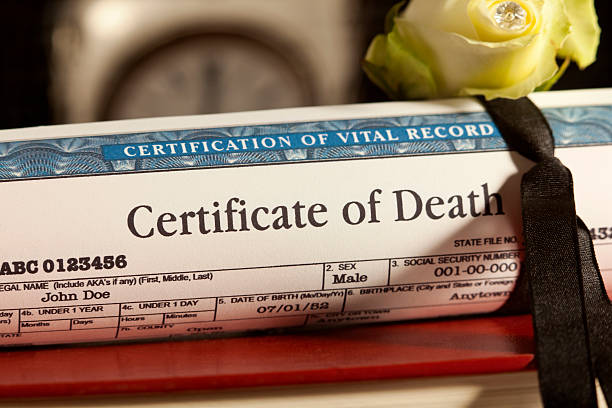
A death certificate is one of the most important legal documents issued after a person’s passing. It serves as official proof of death and is often required for legal, financial, immigration, inheritance, and administrative purposes. However, if the document is written in a language that is not accepted by the receiving authority, you will need a certified translation.
Knowing how to obtain a certified translation of a death certificate can help you avoid unnecessary delays and document rejections. Whether you are handling probate, claiming an inheritance, applying for immigration, or managing overseas legal affairs, following the correct process is essential.
This guide explains everything you need to know about obtaining a certified translation of a death certificate, including when it is required, how the process works, and what to look for in a professional translation provider.
A certified translation is an accurate and complete translation of an official document accompanied by a signed statement from the translator or translation agency. This statement confirms that the translation is a true and accurate representation of the original document.
Unlike a standard translation, a certified translation is prepared specifically for submission to government departments, courts, immigration authorities, universities, banks, insurance companies, and other official organisations.
If you need a certified translation of death certificate for legal or official use, choosing an experienced professional translation service ensures your document meets the required standards and is accepted by UK authorities and many international organisations.
Many organisations only accept documents in their official language. If your death certificate was issued in another language, a certified translation is usually mandatory.
Common situations include:
Each organisation may have slightly different requirements, so it is always worth checking before submitting your documents.
The first step is to obtain a complete and legible copy of the original death certificate.
Most professional translation companies accept:
Poor quality images may result in delays because translators need to accurately read every detail, including names, dates, registration numbers, and official stamps.
A certified translation must reflect every element appearing on the original document. Missing text or unclear sections can affect the accuracy of the translation and may lead to rejection by the receiving authority.
Not every translator can provide certified translations suitable for official purposes.
Look for a translation provider that has experience translating legal and civil registration documents. They should understand the formatting, terminology, and certification requirements used by UK authorities.
A reliable translation company will also explain whether certification alone is sufficient or if notarisation or legalisation is required.
Consider the following before placing an order:
Choosing a reputable provider reduces the risk of errors that could delay your application.
Once you have selected your translation provider, upload or send your death certificate.
Most online translation companies make this process straightforward. You simply upload the document through their website or email it directly.
After reviewing the document, the company usually provides:
Some providers even offer same day or next day delivery for urgent requests.
After confirming your order, a professional translator begins translating the document.
Every section of the death certificate is translated carefully, including:
This includes:
Accuracy is essential because even a small spelling mistake could create inconsistencies with passports, birth certificates, or other legal documents.
The translator also converts:
Nothing should be omitted from the final certified translation.
After completing the translation, the translation company prepares the certification statement.
This certificate usually confirms:
The certification is signed and dated before being attached to the translated document.
Although professional translators perform quality checks, it is still good practice to review the translated document yourself.
Pay close attention to:
If you notice any discrepancies, contact the translation provider before submitting the document.
Most reputable companies will make corrections quickly if necessary.
Once everything has been checked, you can submit the certified translation together with the original document.
Depending on your situation, this may be sent to:
Always follow the submission instructions provided by the organisation requesting the translation.
The turnaround time depends on the complexity of the document and the translation provider.
In most cases:
Most death certificates are relatively short documents, making them suitable for fast processing.
Pricing varies depending on several factors.
These include:
Simple one page death certificates are generally more affordable than lengthy legal documents.
Many providers offer fixed prices for standard certificates, making it easier to budget in advance.
Many applications are delayed because applicants make avoidable mistakes.
Low cost translations may not meet official certification standards.
Always choose quality and experience over price alone.
Blurry images can result in incorrect spellings or missing information.
Use high resolution scans whenever possible.
Some organisations accept certified translations, while others require notarised or legalised versions.
Confirm the exact requirement before ordering.
Automatic translation tools cannot accurately translate legal documents.
Official organisations almost never accept machine translated documents without professional certification.
For many UK authorities, a certified translation is sufficient.
However, some overseas authorities may request additional verification such as:
A notary public confirms the identity of the translator or translation provider.
Certain countries require an Apostille certificate to verify the authenticity of the document before international use.
If you are unsure, ask the receiving authority before placing your order.
Preparing in advance can help speed up the process.
Some useful tips include:
Following these simple steps can help prevent delays and unnecessary expenses.
Obtaining a certified translation of a death certificate is a straightforward process when handled by an experienced translation provider. The key is to ensure the translation is accurate, professionally certified, and prepared according to the requirements of the organisation requesting it.
From probate and inheritance matters to immigration and legal proceedings, a properly certified translation helps ensure your documents are accepted without complications.
By choosing a trusted professional service, providing clear copies of your documents, and verifying the authority’s requirements in advance, you can complete the process efficiently and with confidence. A high quality certified translation not only saves time but also gives you peace of mind during what is often a difficult and sensitive period.