Newsletter Subscribe
Enter your email address below and subscribe to our newsletter
Enter your email address below and subscribe to our newsletter

 ByJohn A
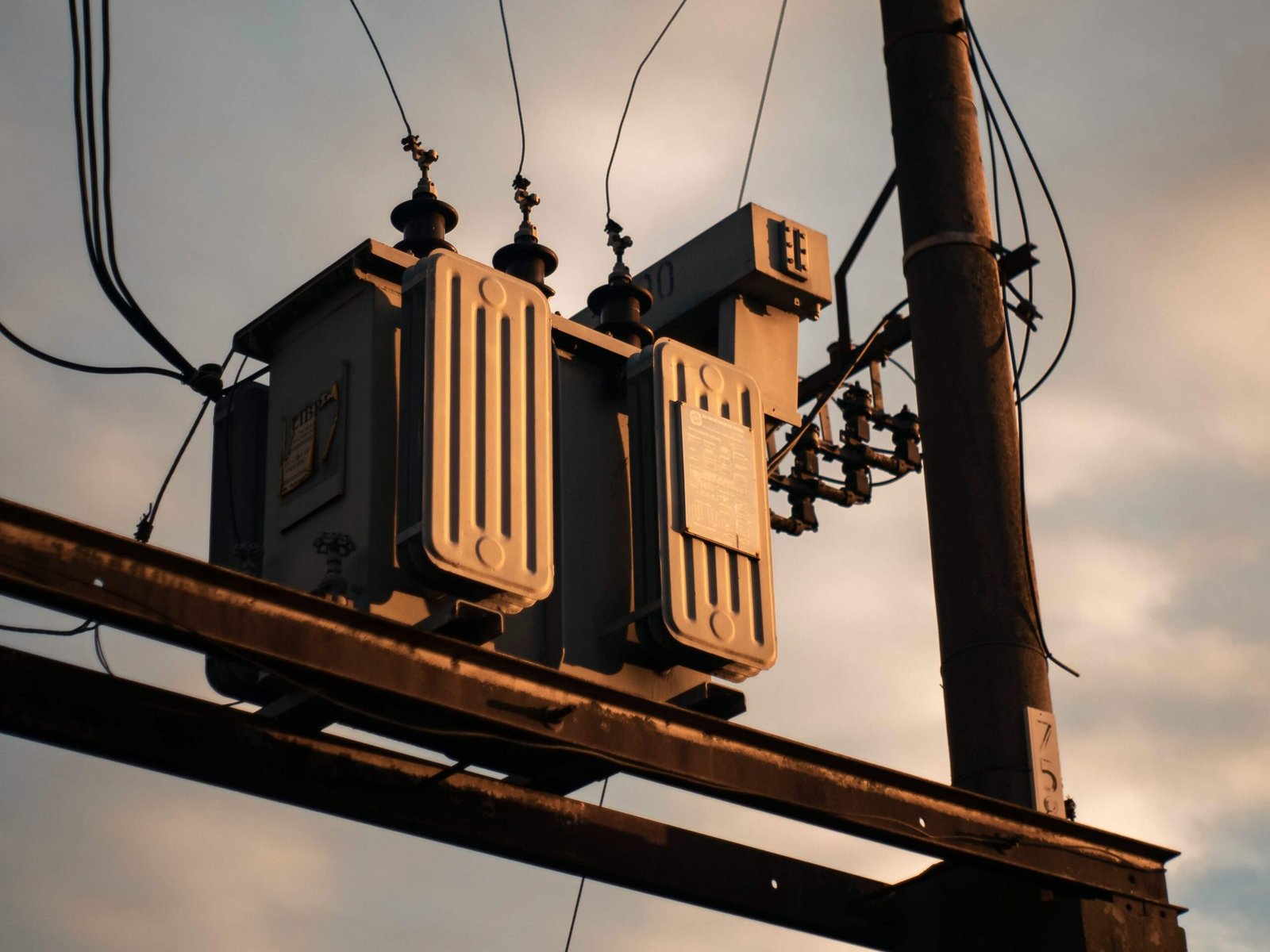
A 15kVA single phase transformer is one of the most widely used electrical transformers for residential, commercial, agricultural, and light industrial applications. It is designed to transfer electrical energy efficiently between circuits while maintaining the required voltage level for safe and reliable operation. Whether it is used for stepping voltage up or down, this transformer plays a vital role in ensuring stable power distribution and protecting connected electrical equipment.
Businesses and property owners choose a 15kVA single phase transformer because it offers an ideal balance between capacity, efficiency, and affordability. It is capable of powering a variety of electrical loads, including lighting systems, HVAC equipment, office machinery, irrigation pumps, security systems, and small manufacturing equipment.
As demand for reliable electricity continues to grow across industries, understanding the features, applications, benefits, and selection criteria of a 15kVA single phase transformer becomes increasingly important. This guide explains everything you need to know before purchasing or installing one.
A 15kVA single phase transformer is an electrical transformer rated to handle a maximum apparent power of 15 kilovolt-amperes (15,000 VA). It operates using a single alternating current (AC) phase and is commonly used where three-phase power is not required.
The transformer works by using electromagnetic induction to transfer energy between primary and secondary windings while maintaining electrical isolation. Depending on the application, it can either increase voltage (step-up transformer) or reduce voltage (step-down transformer).
Some common voltage combinations include:
Because of its versatility, the 15kVA single phase transformer is widely installed in commercial buildings, farms, schools, offices, workshops, and residential developments.
The operation of a transformer is based on the principle of electromagnetic induction. Understanding this process helps users appreciate why transformers are so reliable and efficient.
When alternating current flows through the primary winding:
Since there are no moving mechanical parts, transformers require relatively little maintenance and can operate efficiently for decades when properly installed.
Modern transformers are engineered for durability, efficiency, and safety. A quality 15kVA single phase transformer includes several important design features that improve overall performance.
Some of the key features include:
These features help ensure consistent electrical performance while minimizing energy losses.
The versatility of a 15kVA single phase transformer makes it suitable for a wide range of environments. It is commonly selected wherever dependable voltage conversion is required for moderate electrical loads.
Typical applications include:
Its flexible design allows it to meet the needs of many different industries without requiring a larger and more expensive three-phase transformer.
Selecting the right transformer provides both immediate and long-term advantages. A properly sized transformer improves efficiency, protects equipment, and reduces maintenance costs.
Some major benefits include:
These benefits contribute to better electrical system performance and reduced operational expenses.
Not every transformer is designed for the same purpose. Manufacturers offer different transformer types depending on voltage requirements, installation location, and application.
The most common types include:
A step-up transformer increases the output voltage while reducing current. It is commonly used in specialized industrial equipment and renewable energy applications.
A step-down transformer reduces incoming voltage to a lower, safer level suitable for powering electrical devices.
Isolation transformers provide complete electrical separation between input and output circuits, helping protect sensitive equipment from electrical noise and faults.
Dry-type transformers use air for cooling rather than oil. They are ideal for indoor commercial and institutional buildings because of their safety and low maintenance requirements.
Oil-filled transformers use insulating oil for cooling and insulation, making them suitable for outdoor and heavy-duty applications.
Before purchasing a transformer, it is essential to evaluate several technical specifications. Choosing the correct model ensures reliable operation and prevents overload conditions.
Important specifications include:
Reviewing these specifications helps ensure compatibility with the intended electrical system.
Selecting the right transformer requires more than simply matching the kVA rating. A careful assessment of operational requirements helps maximize performance and lifespan.
Consider the following factors before making a purchase:
Consulting an experienced electrical professional can also help determine the most suitable transformer for your application.
Proper installation is essential for ensuring safe operation and achieving maximum transformer life. Following recommended installation practices reduces the risk of overheating and electrical faults.
Some important installation guidelines include:
Professional installation is always recommended to ensure compliance with applicable safety standards.
Although transformers require relatively little maintenance, periodic inspections help identify potential issues before they become costly failures.
Recommended maintenance practices include:
Routine maintenance extends service life and improves overall reliability.
Working with electrical transformers requires strict adherence to safety procedures. Proper precautions help protect personnel as well as connected equipment.
Key safety practices include:
These practices significantly reduce the risk of electrical accidents.
Transformer efficiency is influenced by several operating conditions. Understanding these factors helps users optimize performance and reduce energy consumption.
Some important factors include:
Operating the transformer within its rated capacity helps maintain maximum efficiency throughout its service life.
Even durable transformers may develop issues over time. Identifying warning signs early can prevent unexpected failures and expensive repairs.
Watch for the following indicators:
Prompt inspection by qualified personnel helps prevent more serious electrical problems.
Investing in a high-quality transformer delivers long-term value by improving efficiency, reducing downtime, and minimizing maintenance costs. Reputable manufacturers use premium core materials, precision windings, and rigorous quality testing to ensure dependable performance under demanding operating conditions.
A quality transformer also offers better thermal management, improved voltage regulation, and enhanced protection against overloads and electrical faults. These advantages make it a more economical choice over the product’s lifespan, even if the initial purchase price is slightly higher.
When comparing products, consider certifications, warranty coverage, manufacturing standards, and after-sales support in addition to the purchase price. Choosing a trusted supplier helps ensure your transformer meets safety regulations and provides reliable operation for years to come.
A 15kVA single phase transformer is an efficient and dependable solution for a wide variety of residential, commercial, agricultural, and light industrial power applications. Its ability to safely convert voltage, protect electrical equipment, and provide stable power makes it an essential component of many electrical systems.
By understanding its working principles, features, applications, specifications, installation requirements, and maintenance practices, buyers can make informed decisions that improve system reliability and reduce long-term operating costs. Whether you require a step-down transformer for commercial equipment, an isolation transformer for sensitive electronics, or a durable outdoor unit for agricultural operations, selecting a high-quality 15kVA single phase transformer from a reputable manufacturer ensures dependable performance, improved energy efficiency, and a long operational lifespan.