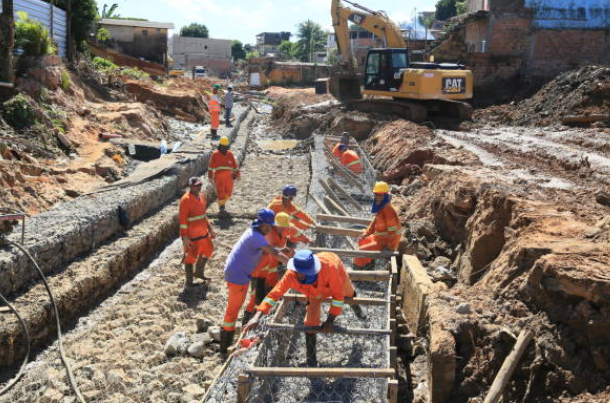

Earthmoving is one of the most important stages of residential, commercial, and civil construction projects. Before a building can be constructed, a driveway installed, or a landscape transformed, the ground must be properly prepared. Professional earthmoving services help create stable, level, and workable surfaces that support the next stages of construction.
In a growing city such as Sydney, earthmoving plays an essential role in new developments, property renovations, landscaping improvements, and infrastructure projects. From removing excess soil to preparing foundations, the right earthmoving sydney approach can improve site efficiency, reduce unnecessary delays, and help achieve better construction outcomes.
MRN Excavations provides excavation, earthmoving, screw pier installation, and landscaping-related services across Sydney, Wollondilly, the South Coast, and surrounding areas. Understanding how earthmoving works can help property owners, builders, and developers make informed decisions when planning their projects.
This complete guide explains the different types of earthmoving services, their benefits, the equipment involved, and what to consider when choosing an earthmoving contractor in Sydney.
What Are Earthmoving Services?
Earthmoving services involve moving, removing, distributing, or reshaping soil, rock, and other ground materials to prepare land for construction or landscaping. These activities may include digging, levelling, trenching, filling, grading, and clearing selected areas.
The specific work depends on the condition of the site and the project’s requirements. A residential landscaping project might need minor soil removal and lawn preparation, while a new building development could require substantial bulk excavation and ground preparation.
Professional earthmoving contractors assess the site, determine the appropriate machinery, and plan the work according to the required levels and construction specifications.
Common Types of Earthmoving Services in Sydney
1. Bulk Earthmoving and Excavation
Bulk earthmoving involves removing or relocating substantial quantities of soil and other materials. It is commonly required for building sites, retaining wall projects, construction platforms, and property developments.
The objective is to establish the required ground levels before construction begins. Depending on the project, contractors may remove unsuitable material, redistribute soil, or prepare designated areas for further excavation.
Accurate planning is important because excessive excavation or poorly managed filling can increase costs and create additional work later in the construction process.
2. Detailed Excavation
Detailed excavation focuses on precision rather than simply moving large quantities of earth. It may involve digging specific foundation areas, preparing narrow spaces, forming trenches, or creating accurate levels around existing structures.
This service is particularly useful for residential projects where space is limited and nearby structures, fences, gardens, or underground services must be considered.
MRN Excavations offers bulk and detailed excavation services, helping clients prepare sites for different construction requirements.
3. Site Levelling and Ground Preparation
Uneven ground can make construction and landscaping more difficult. Site levelling helps establish suitable elevations and gradients for the intended use of the land.
Typical applications include preparing building platforms, levelling lawn areas, improving access routes, and creating suitable surfaces for outdoor living spaces.
Proper grading should also consider water movement. The goal is to avoid creating unwanted low points where water may collect or directing runoff towards neighbouring properties.
4. Trenching and Service Excavation
Trenching involves digging narrow channels for services such as drainage, water pipes, electrical conduits, and other approved underground installations.
The depth, width, and route of a trench depend on the service being installed and the applicable project specifications. Contractors must consider existing infrastructure, ground conditions, and trench stability.
Before excavation starts, underground service information should be obtained through Before You Dig Australia and reviewed with the relevant project team.
5. Landscaping Earthworks
Earthmoving is an important part of transforming an outdoor area. Landscaping projects may require removing excess soil, reshaping slopes, preparing garden beds, creating level lawn areas, or establishing the base for retaining walls and pathways.
Professional preparation helps create a suitable foundation for turf, planting, paving, and other landscaping features.
MRN Excavations also provides lawn landscaping services, making earthmoving relevant to both construction projects and outdoor property improvements.
6. Soil Removal and Site Clean-Up
Excavation can produce substantial amounts of spoil, which is the soil, rock, or other material removed from a site. Depending on the project, this material may be suitable for reuse or may require transport and disposal at an appropriate facility.
A clear plan for handling spoil helps prevent unnecessary stockpiling, access problems, and project delays.
The contractor should explain whether soil removal, transport, disposal fees, and imported fill are included in the proposed quotation.
Why Are Professional Earthmoving Services Important?
Improved Site Preparation
Proper ground preparation establishes the starting conditions for construction. When the required levels and excavation dimensions are achieved accurately, other trades can proceed with greater confidence.
Poor preparation can lead to rework, additional material costs, and difficulties during foundation installation or landscaping.
Greater Efficiency
Professional contractors select machinery and work methods according to the project’s size, access restrictions, and soil conditions. Suitable equipment can complete many earthmoving tasks more efficiently than manual labour alone.
Efficient planning also includes coordinating machinery movements, spoil removal, deliveries, and the work of other contractors.
Better Management of Ground Conditions
Sydney properties can have varying ground conditions, including clay, sandy soils, weathered rock, and sloping terrain. These conditions influence excavation methods, equipment selection, drainage requirements, and the stability of the work area.
An experienced contractor can identify practical site constraints and communicate when additional geotechnical advice or specialist services may be required.
Support for Construction and Landscaping
Earthmoving provides the groundwork for many improvements, including home extensions, new dwellings, retaining walls, driveways, garden renovations, and outdoor entertainment areas.
A well-prepared site helps ensure that subsequent work can be completed in accordance with the project’s design and specifications.
What Equipment Is Used for Earthmoving?
The machinery used depends on the volume of material, site access, ground conditions, and required precision.
- Excavators: Used for digging foundations, trenches, and other excavated areas.
- Mini excavators: Useful for residential sites and restricted-access locations, subject to suitable machine clearance and operating space.
- Loaders: Used to move loose material, load spoil, and assist with site preparation.
- Tipper trucks: Used to transport soil, rock, and other approved materials.
- Compaction equipment: Used where specified to compact suitable fill and prepare ground for subsequent work.
- Grading equipment: Used to establish required surface levels and slopes on appropriate sites.
The largest machine is not always the best option. Equipment must fit the access conditions and be suitable for the work being performed.
Understanding Earthmoving Costs in Sydney
Earthmoving costs vary considerably because no two sites are exactly alike. A small backyard project may involve limited excavation, while a larger development could require significant machinery time and material transport.
Important cost factors include:
Project size and excavation volume: Larger quantities generally require more operating time, handling, and transport.
Soil and rock conditions: Hard ground, rock excavation, buried obstructions, and unsuitable material can increase the complexity of the work.
Site accessibility: Narrow driveways, restricted entry points, steep slopes, and limited working space may require smaller machinery or additional labour.
Spoil removal: Transport and disposal charges depend on the quantity and type of material and the receiving facility’s requirements.
Imported materials: Projects requiring suitable fill, aggregates, or other materials may involve additional supply and delivery costs.
Site preparation and safety requirements: Temporary barriers, service locating, traffic controls, and other project-specific measures can affect the overall budget.
To obtain an accurate quotation, provide the contractor with the site address, project scope, access information, plans where available, and photographs of the work area.
How to Choose the Right Earthmoving Contractor
Choosing a suitable contractor is essential for achieving the desired results.
Check Experience and Relevant Services
Look for a contractor whose services match your project. Detailed residential excavation requires different planning from large-scale bulk earthmoving.
Ask about similar projects, equipment suitability, and how the contractor handles unexpected ground conditions.
Verify Licensing and Insurance
In NSW, relevant licensing requirements apply to certain excavation and building or trade work. Requirements depend on the nature and value of the work and the contractor’s role.
Check the appropriate licence and insurance details before engaging a contractor. For residential building or trade work exceeding the applicable $5,000 threshold, NSW licensing rules may apply.
Request a Detailed Quotation
A useful quotation should explain the scope of work, estimated quantities where possible, machinery and labour allowances, spoil handling, exclusions, and potential additional charges.
Clarify how variations will be approved if unexpected rock, buried material, or other conditions are encountered.
See also: How AI Is Changing Advertising for Small Businesses
Prioritise Communication and Safety
Choose a contractor who explains the work clearly, communicates scheduling changes, and takes site hazards seriously.
Excavation safety involves controlling machinery movements, managing unstable ground, identifying underground services, and maintaining appropriate exclusion zones.
Safety and Environmental Considerations
Earthmoving should be planned around the specific risks present at the site. Underground utilities, overhead powerlines, unstable excavation faces, mobile machinery, and changing weather conditions can all create hazards.
SafeWork NSW advises that underground service information must be obtained before excavation begins. Depending on the work, a site-specific Safe Work Method Statement and additional safety controls may also be required.
Environmental considerations include managing sediment, controlling runoff, limiting unnecessary soil disturbance, and ensuring excavated materials are reused or disposed of appropriately.
These measures help protect workers, neighbouring properties, public areas, and the surrounding environment.
Why Consider MRN Excavations for Your Sydney Project?
MRN Excavations provides excavation services across Sydney, Wollondilly, the South Coast, and surrounding areas. Its services include bulk excavation, detailed excavation, screw piers, and lawn landscaping.
For property owners and builders, having a contractor who understands both excavation and related groundwork requirements can help simplify early project planning.
When discussing your project with MRN Excavations, explain your objectives, access restrictions, approximate excavation requirements, and expected start date. This information helps establish the scope of work and identify questions that need to be resolved before work begins.
Frequently Asked Questions
What projects require earthmoving services?
Earthmoving is commonly needed for new homes, extensions, retaining walls, driveways, landscaping, drainage installations, and other construction projects involving ground preparation.
How long does an earthmoving project take?
The timeframe depends on excavation volume, soil conditions, site access, weather, machinery requirements, and spoil removal. Smaller jobs may take hours or days, while larger projects can take considerably longer.
Is earthmoving necessary before landscaping?
Not every landscaping project requires major earthmoving. However, levelling, soil removal, grading, and ground preparation may be necessary when the site is uneven or needs to meet a particular design.
What should I do before excavation begins?
Confirm the work scope, obtain relevant plans and approvals, arrange underground service information, and discuss site access and safety requirements with your contractor.
Conclusion
Earthmoving services in Sydney provide the essential groundwork for construction, property improvements, and landscaping projects. From bulk excavation and trenching to detailed digging and lawn preparation, professional groundworks help establish suitable conditions for the next stage of development.
The right contractor will consider site conditions, equipment access, safety, material handling, and project specifications before work begins.
MRN Excavations offers excavation and related groundwork services across Sydney and surrounding regions. If you are planning a residential, commercial, or landscaping project, contact MRN Excavations to discuss your requirements and request a project-specific quotation.